
Morocco in January: Weather, Best Places & What to Pack
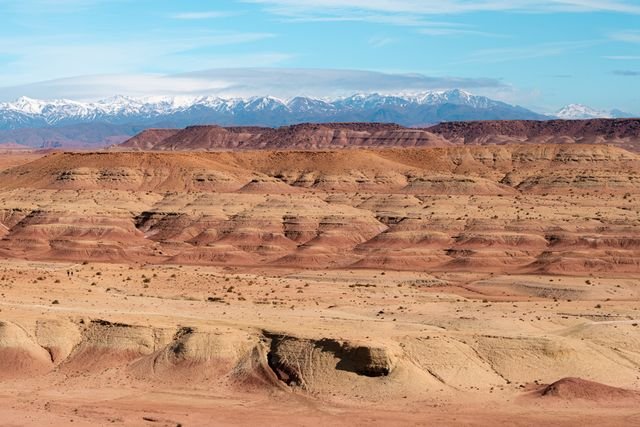
Morocco in January can be excellent for cultural sightseeing, Atlantic coast walks, desert landscapes and winter mountain scenery. But January is a genuine winter month, and conditions differ significantly between Marrakech, Agadir, Fes, the Atlas Mountains and Merzouga.
The best approach is to choose regions that match the trip you want: Marrakech for culture, Agadir for a milder coastal setting, Fes for heritage, Merzouga for the Sahara, and the Atlas for winter scenery when conditions permit.
City, coast, mountain and desert conditions vary.
Especially overnight and at elevation.
Weather can affect mountain road planning.
Check heating and desert-camp facilities.
Is Morocco Worth Visiting in January?
Yes, Morocco in January can be an excellent choice for travellers who enjoy historic cities, winter landscapes, coastal walking and desert scenery. Expect cooler evenings, changing regional weather and some winter travel constraints, rather than guaranteed warmth throughout the country.
January is particularly appealing if you prefer walking through Marrakech's Medina, spending time in Fes's historic streets or exploring coastal destinations without the intense heat of midsummer. The lower temperatures can make some outdoor activities more comfortable, provided rain, wind and cold are considered.
January is less suitable for travellers who require hot beach weather, want to pack only light summer clothing, or plan technical mountain activities without proper winter preparation. It is also important to distinguish pleasant daylight from comfortable nights.
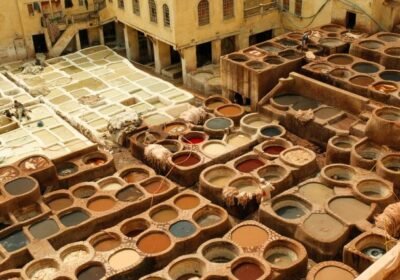
Marrakech and Fes
Agadir and Taghazout
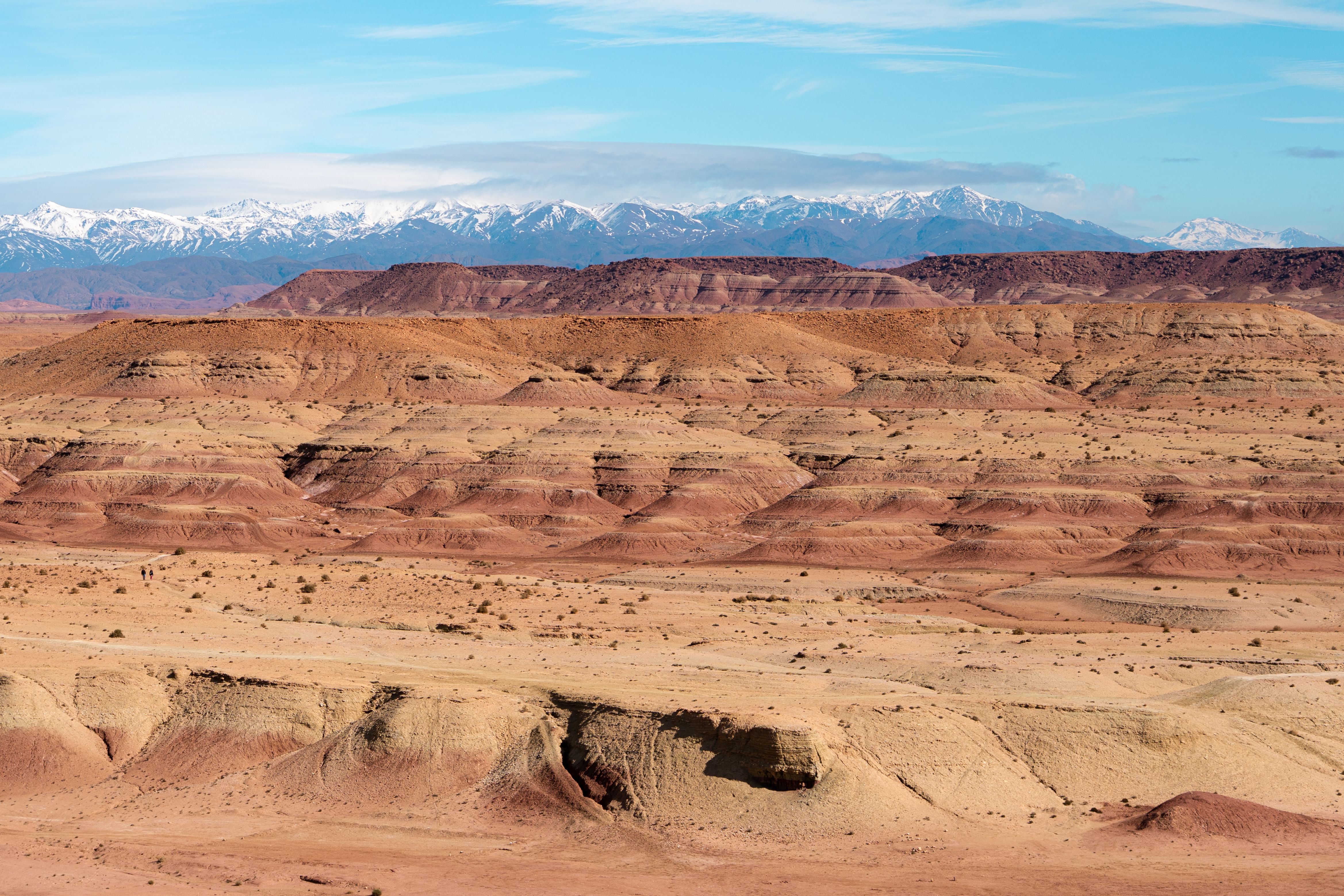
Merzouga and Erg Chebbi
Ifrane and the Atlas
For a useful national overview, consult the Moroccan National Tourist Office's official climate and seasons guide. The essential point for Morocco in January is that Atlantic, continental, mountain and Saharan climates behave differently.
Morocco Weather in January: Region-by-Region Comparison
Morocco in January does not have one reliable nationwide temperature. Even within the same day, two destinations can experience different wind, cloud, rainfall and overnight conditions.
Inland cities can have comfortable periods for walking, while shaded streets and accommodation interiors remain cool. The southern Atlantic coast is generally a candidate for milder conditions. At higher Atlas elevations, winter weather becomes much more important, and Merzouga's desert nights require a separate packing strategy.
| Region | January character | Good for | Main consideration |
|---|---|---|---|
| Marrakech | Often mild periods by day; cool mornings and evenings | Culture, gardens, markets | Layers and riad heating |
| Agadir / Taghazout | Relatively mild coastal conditions | Promenades, coastal breaks | Wind and cool seawater |
| Fes | Cooler inland winter with possible rain | History and traditional crafts | Rainwear and cold interiors |
| Chefchaouen | Cool and potentially wet Rif Mountain conditions | Blue Medina, photography | Rain and suitable footwear |
| Ifrane / Atlas | Winter cold; snow possible | Forests and mountain scenery | Elevation, roads and equipment |
| Merzouga | Desert daylight with potentially cold nights | Erg Chebbi landscapes | Camp bedding and heating |
Weather changes from one year to another. Before travelling, especially on mountain routes, check Morocco's official meteorological vigilance service and obtain current local road information.
Best Places to Visit in Morocco in January
The best destinations for Morocco in January depend on the experience you prefer. Some visitors want mild outdoor afternoons; others want architecture, winter landscapes or the Sahara. The following destinations each offer a different kind of January trip.
Marrakech in January
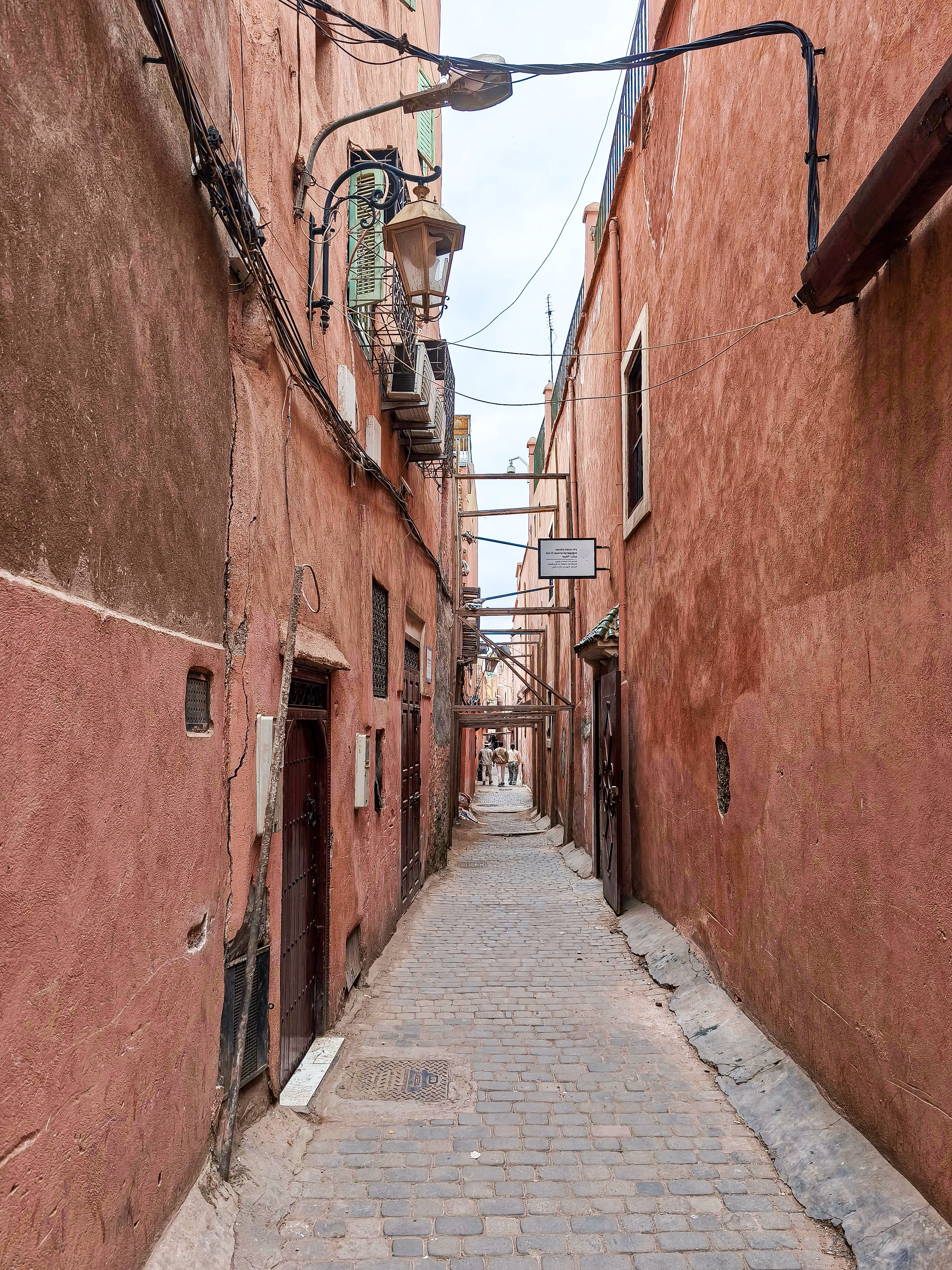
Marrakech is one of the easiest places to recommend for a first Morocco winter trip. The Medina, souks, historic palaces, gardens and food experiences provide plenty to do without requiring a constantly changing itinerary.
January sightseeing can be comfortable when the day is mild. However, Marrakech can feel much cooler early in the morning, in shaded riad courtyards and after sunset. A sweatshirt, warm jacket or fleece can be valuable even when the afternoon calls for lighter clothing.
If your accommodation is a traditional riad, verify its heating rather than assuming that attractive décor also means warm rooms. For Atlas day trips, check conditions separately: the city forecast does not describe high-elevation roads.
Agadir in January
Agadir is a strong option for travellers looking for a relatively mild Atlantic setting. Its beach, seafront promenade and coastal restaurants create a different holiday rhythm from Marrakech or Fes. Nearby Taghazout adds a smaller coastal atmosphere.
That does not turn January into summer. Wind, cloud and cooler water remain possible, and the weather can be very different from one day to the next. Consider Agadir for outdoor relaxation rather than guaranteed sunbathing or warm swimming.
Agadir also makes sense when your Morocco in January holiday should avoid constant hotel changes. You can stay in one coastal base, choose suitable day activities and adjust outdoor plans to the weather.
Fes in January
Fes is particularly rewarding for travellers motivated by history, traditional crafts and architectural detail. Its historic Medina is best appreciated without rushing between multiple distant attractions.
Morocco in January can bring cooler, potentially wetter conditions to inland northern cities. Plan for a rain-resistant layer, closed walking shoes and a warmer evening outfit. Old streets and thick-walled interiors can feel cold even when outdoor daylight is reasonable.
Fes is also a useful base for a culturally focused winter journey. Nearby destinations can be considered selectively, but it is rarely necessary to pack every northern highlight into a few days.
Merzouga and Erg Chebbi
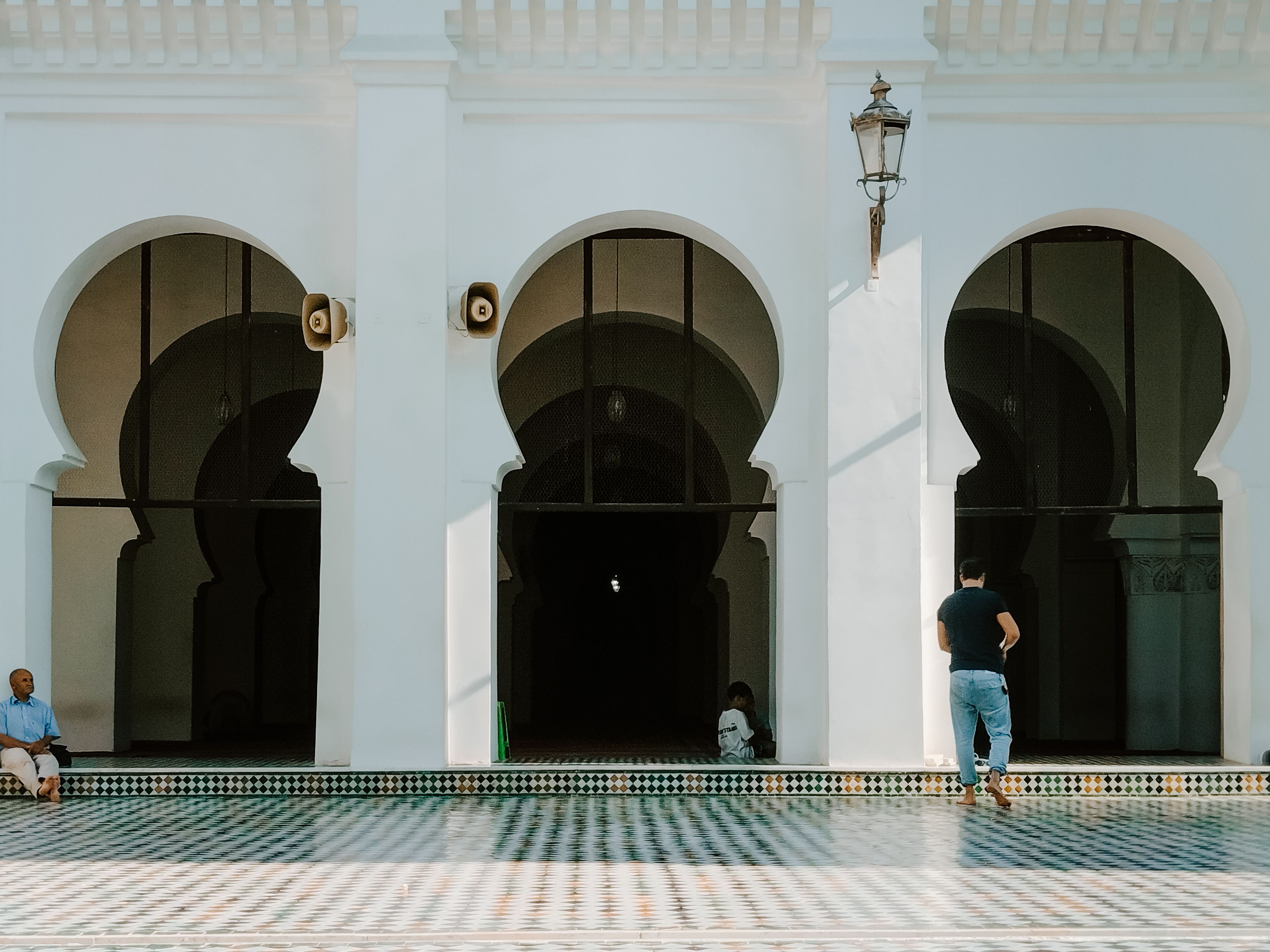
Merzouga appeals to visitors who want to experience the dunes of Erg Chebbi, desert landscapes and the changing light around sunrise and sunset. A Morocco in January Sahara trip can be memorable, provided expectations about overnight temperatures and road travel are realistic.
Do not judge the experience entirely from photographs of bright sand. Comfortable daytime conditions can be followed by a notably cold evening, and tents vary greatly in insulation and facilities.
Ask how you will reach the camp, what bedding is supplied and whether heating is actually available. Camel transport, 4x4 transfers and alternative arrangements should never be assumed without booking confirmation.

Ifrane and the Middle Atlas
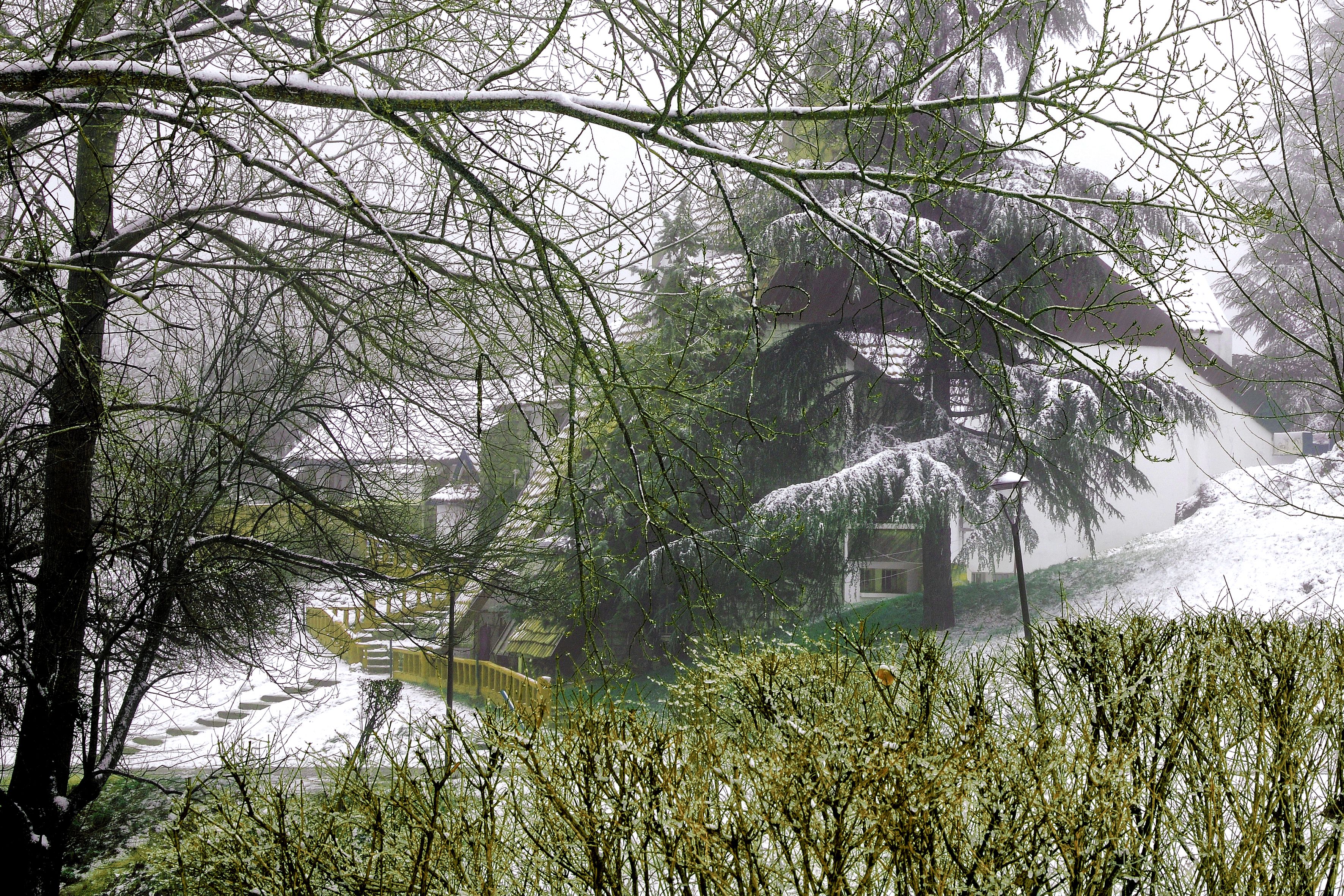
Ifrane is a useful January-specific destination for travellers interested in mountain forests, distinctive town architecture and the possibility of snow. The surrounding Middle Atlas environment feels very different from Morocco's coastal cities.
Snow is possible, but it is neither guaranteed on your visit nor distributed evenly across the mountains. Forest conditions, road access and any winter activities depend on current weather and local operating arrangements.
For Morocco in January, consider Ifrane only if its winter atmosphere fits your itinerary. Do not travel there expecting guaranteed skiing or snowfall without checking the latest conditions.
Chefchaouen in January
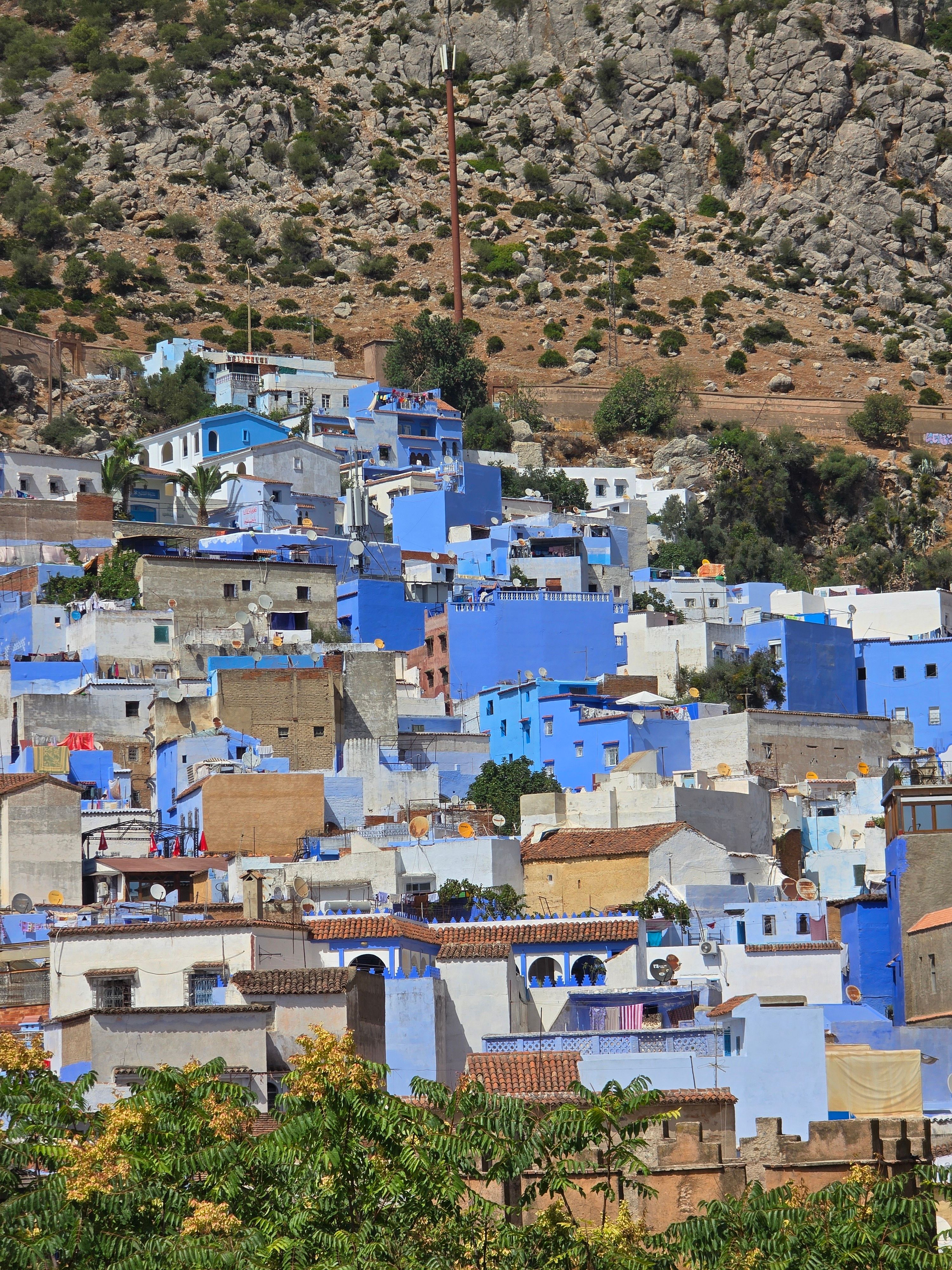
Chefchaouen combines its blue-painted architecture with a mountain setting. It suits photography, slower Medina walks and travellers exploring northern Morocco.
Its location in the Rif means January can feel cool and wet. Rain may affect outdoor plans, so pack shoes with reliable grip, rain protection and a warm layer. Beautiful photographs taken under blue skies are not a weather promise.
Chefchaouen works best when it fits a sensible northern route—for example, alongside Fes or Tangier—rather than being added as a rushed detour from distant southern destinations.
Can You Visit the Sahara Desert in January?
Yes, the Sahara can be visited in January. The challenge is not simply reaching the dunes: a comfortable desert overnight stay requires preparation for cold after sunset and confirmation of the camp's actual facilities.
The Moroccan National Tourist Office generally favours spring and autumn for Sahara travel, but that does not make January impossible. For some travellers, the cooler season is preferable to extreme summer heat. Winter comfort, however, is highly individual.
A camp described as “luxury” is not automatically heated. Ask specific questions rather than assuming all camps provide the same bedding, plumbing or insulated sleeping areas. A January arrival also deserves careful planning if the journey includes a long road stage and a late camp transfer.
When planning Morocco in January, treat a Sahara circuit as a multi-day road journey, not a short excursion from Marrakech. Travel dates, long transfer stages and the final night arrangement should all be reviewed before booking. See the available private Morocco tours for route concepts.
Does It Snow in Morocco in January?
Snow is possible in Morocco's mountain regions in January, especially at higher elevations. That does not mean it snows across Marrakech, Agadir, Fes and Merzouga at the same time.
The Middle Atlas around Ifrane may show winter forest scenery, while High Atlas routes can encounter colder conditions, fog, ice or snow. Lower valleys and major cities may experience very different conditions from the mountain passes.
A forecast for Marrakech is therefore not a reliable description of a higher-altitude excursion. Before an Atlas trip, check weather alerts, obtain current local road information and confirm that any planned walking activity suits the group's clothing, experience and equipment.
Winter conditions can affect visibility and travel. Preserve flexibility, particularly when a major flight or fixed international connection follows a mountain crossing.
Travellers interested in technical winter trekking need route-specific equipment, qualified local advice and current condition checks. Normal city clothing is not a substitute for mountain gear.
Where Is the Best Winter Sun in Morocco in January?
The strongest candidates depend on what “winter sun” means to you. Some travellers want a pleasant afternoon outside; others expect beach swimming, which requires a very different weather standard.
Agadir
A leading option for relatively mild coastal daylight, long promenade walks and outdoor relaxation. Water and wind may still feel cold.
Marrakech
A strong choice for combining historic-city experiences with the possibility of comfortable sightseeing conditions during the day.
Merzouga
Choose it for dunes and desert landscapes, not the expectation of consistently warm evenings or comfortable outdoor nights.
Essaouira
Ideal when the Atlantic port, fortified Medina and coastal atmosphere matter more than sunbathing. Wind is part of the planning.
The best winter-sun destination is the place whose activities still appeal to you if the day turns cloudy. That is a more dependable decision rule than choosing a destination only from a photograph of blue skies.
Best Morocco January Itineraries by Trip Length
A good Morocco in January itinerary respects travel time, daylight and changing road conditions. The most enjoyable route is often the one that removes unnecessary destinations instead of adding them.
Five Days: One Main Base
Choose Marrakech with a suitable nearby excursion, Agadir with time along the Atlantic coast, or Fes for a culturally focused stay. Each can support several days of sightseeing without requiring a long-distance hotel change.
A five-day trip is not the ideal place to collect Marrakech, Chefchaouen, Fes and Merzouga simply because they all appear on a wish list. If the Sahara is your priority, build the entire route around it rather than squeezing it into spare time.
Seven Days: A Focused Winter Journey
A Marrakech-and-coast itinerary can combine cultural sightseeing with Essaouira or Agadir. This works well for travellers who want a change of scenery without committing to a long desert circuit.
Another approach focuses on Fes and compatible northern destinations. Chefchaouen can fit if the arrival airport, departure city and transfer plan make sense.
A focused week gives you space for real experiences and allows some adjustments if weather disrupts an outdoor plan.
Ten Days: Cities and Sahara
A longer itinerary can connect Marrakech, the High Atlas and Aït Ben Haddou corridor, southern valleys, Merzouga and Fes. The journey should be treated as an extended road experience with genuine transfer days.
Beginning in Marrakech and ending in Fes may reduce backtracking if flights and accommodation permit. Winter mountain conditions must still be considered, and not every stop should be given an unrealistically tight schedule.
Fourteen Days: A Slower Winter Circuit
Two weeks can connect selected imperial cities, part of the Atlantic coast, southern Morocco and the Sahara. There is enough scope for several two-night stays and less pressure to change accommodation constantly.
Leave room for at least one adjustable day, use sensible transfer stages and avoid turning the trip into a checklist of every famous Moroccan destination. A slower route is particularly valuable in winter.
Explore Morocco destinations to compare possible regions before deciding which routes fit your travel dates.
Morocco in January vs December: Which Is Better?
December and January are both winter months, so neither should be chosen on the expectation of uniformly warm weather. Holiday timing and your preferred regions can make a bigger difference than the calendar label.
| Factor | December | January |
|---|---|---|
| Holiday patterns | Late-December festive demand may affect availability | Early New Year period may remain busy; later patterns vary |
| Mountains | Winter conditions possible | Cold and winter conditions remain important |
| Sahara nights | Warm bedding needed | Warm bedding remains essential |
| Coast | Mild periods possible; not summer weather | Mild periods possible; not summer weather |
| Packing | Layers, warm evenings, rain protection | Layers, warm evenings, rain protection |
| Best option | Depends on dates and itinerary | Depends on dates and itinerary |
If you're choosing between the two months, compare your preferred destinations and actual availability instead of assuming January is automatically cheaper or December is always busier. Our Morocco in December travel guide provides the corresponding seasonal planning advice.
What to Wear in Morocco in January
Pack layers. Morocco in January can combine a mild coastal afternoon, a cool Medina, a colder mountain stop and a desert night on one itinerary.
Breathable Clothing
Comfortable shirts or long-sleeved tops for daytime walking and changing temperatures.
Warm Clothing
A sweater, fleece or compact insulated garment for mornings, evenings and shaded places.
Weather Protection
A wind- and rain-resistant jacket. For colder regions, bring adequate insulation as well.
Morocco January Packing Checklist
Ordinary winter city clothing may not be suitable for high-elevation snow, ice or exposed mountain routes. Obtain advice for the actual planned activity.
Is Morocco Cheaper or Quieter in January?
January may provide different demand conditions after the year-end holidays, but there is no trustworthy universal discount to promise. Hotels, flights, private tours and transfers respond to destination, exact dates, events, accommodation category and availability.
Morocco also has national public holidays in January. These include January 1 (New Year's Day), January 11 (the Anniversary of the Independence Manifesto) and January 14 (Amazigh New Year). These dates are listed on the official Moroccan government holidays calendar.
Holidays can affect public administration schedules and some local operations, but do not assume every tourism service closes or that every destination becomes crowded. Confirm arrangements relevant to your specific booking.
A budget estimate for Morocco in January should reflect your hotels, transport, group size and chosen activities. Unverified seasonal prices are not useful planning information.
January Travel Mistakes to Avoid
Expecting summer everywhere
Choose regions according to your actual activity rather than assuming all of Morocco will be warm.
Packing only for daytime Marrakech
Add layers for nights, shaded streets, inland cities and any desert overnight stay.
Booking a desert camp without checking winter facilities
Confirm bedding, insulation, hot water, heating where offered and arrival logistics.
Assuming Atlas roads are always accessible
Check forecasts and current road conditions. Avoid itineraries that depend on perfect mountain access.
Expecting warm Atlantic swimming
Agadir may have pleasant winter daylight, but seawater and wind can still feel cold.
Trying to visit too many cities
Protect meaningful sightseeing time by including realistic travel days and fewer unnecessary hotel changes.
When a Private Morocco Itinerary Makes Sense in January
Private transport can make sense when a winter trip involves multiple regions, substantial luggage, family travel or a journey that starts in one Moroccan city and ends in another.
A private itinerary can simplify airport pickup, city-to-city movement, coordinated stop planning and desert-arrival arrangements. It can also make route discussions easier when the weather suggests changing an optional stop.
A private driver does not control the weather, eliminate snow or guarantee road access. The real advantage is more coordinated logistics and a route planned around the travellers' priorities.
Compare private Morocco tours for complete multi-day route planning or Morocco private transfers for airport and city-to-city journeys.
Morocco in January: Frequently Asked Questions
Is Morocco worth visiting in January?
Yes. Morocco in January suits travellers interested in cultural sightseeing, varied landscapes and winter experiences. Plan for cooler evenings and regional weather differences rather than guaranteed warmth everywhere.
Is Marrakech warm in January?
Marrakech can offer comfortable daytime sightseeing in January, but mornings and evenings may be cold. Actual temperatures and weather depend on the day.
What is the warmest place in Morocco in January?
Agadir is often a strong candidate for relatively mild coastal daytime conditions. However, the warmest location on a particular day depends on the weather, and mild coastal air does not guarantee beach heat.
Can you visit the Sahara Desert in January?
Yes. The Sahara can be visited in January, but nights may be cold. Confirm bedding, camp insulation, heating if available and arrival arrangements before booking.
Does it snow in Morocco in January?
Snow is possible in mountain areas, including parts of the Atlas, especially at higher elevations. It is not guaranteed on any date and does not mean the entire country experiences snow.
Can you swim in Agadir in January?
Some travellers may choose to swim, but seawater temperature, wind, weather and individual cold tolerance matter. January should not be treated as guaranteed warm-water swimming season.
What should I wear in Morocco in January?
Pack breathable clothing, a sweater or fleece, a warm jacket, rain protection, long trousers, closed walking shoes and warm nighttime clothing. Winter mountain activities need more specialized equipment.
Is Morocco expensive in January?
January prices vary by destination, travel date, accommodation category, availability and service type. Compare current prices for your actual dates rather than assuming January always brings lower costs.
Is January or December better for Morocco?
Both months offer winter travel experiences. The better choice depends on your dates, destinations, holiday plans and preferred activities. Mountain conditions and cold desert nights deserve attention in both months.
Is January good for a Morocco road trip?
Yes, potentially. A January road trip works best with realistic travel stages, enough daylight, flexible mountain planning and suitable clothing for the different regions.
Plan Your January Morocco Trip Around the Right Regions
Morocco in January is not uniformly warm or cold. Marrakech, Fes, the Atlantic coast, the Atlas Mountains and Merzouga offer distinctly different winter experiences.
Decide what matters most, pack for changing conditions, verify accommodation comfort and allow the route enough time. A well-designed January itinerary with fewer destinations is often more rewarding than one that rushes across the country.
For more planning ideas, visit the Morocco Travel Guide.
Planning Morocco in January?
Share your travel dates, arrival city, available days, group size and preferred destinations. Morocco Smoothly Travel can help review a private winter route suited to your priorities.
One Comment