
Best Time to Visit Morocco: Month-by-Month Guide for Every Region
Spring and autumn are often excellent starting points for a Morocco trip combining Marrakech, historic cities and the Sahara. But the best time to visit Morocco depends on your destinations and activities. Atlantic coast holidays, Atlas Mountain hiking and winter city breaks may suit different periods, so it helps to choose your route before choosing your month.
This guide compares all twelve months, four seasons, Morocco's main climate regions and the experiences that suit them. You'll learn when heat, wind, cold nights or mountain weather should influence your plans—without relying on misleading nationwide weather averages.
Practical seasonal guidance—not a live forecast or a promise of particular weather.
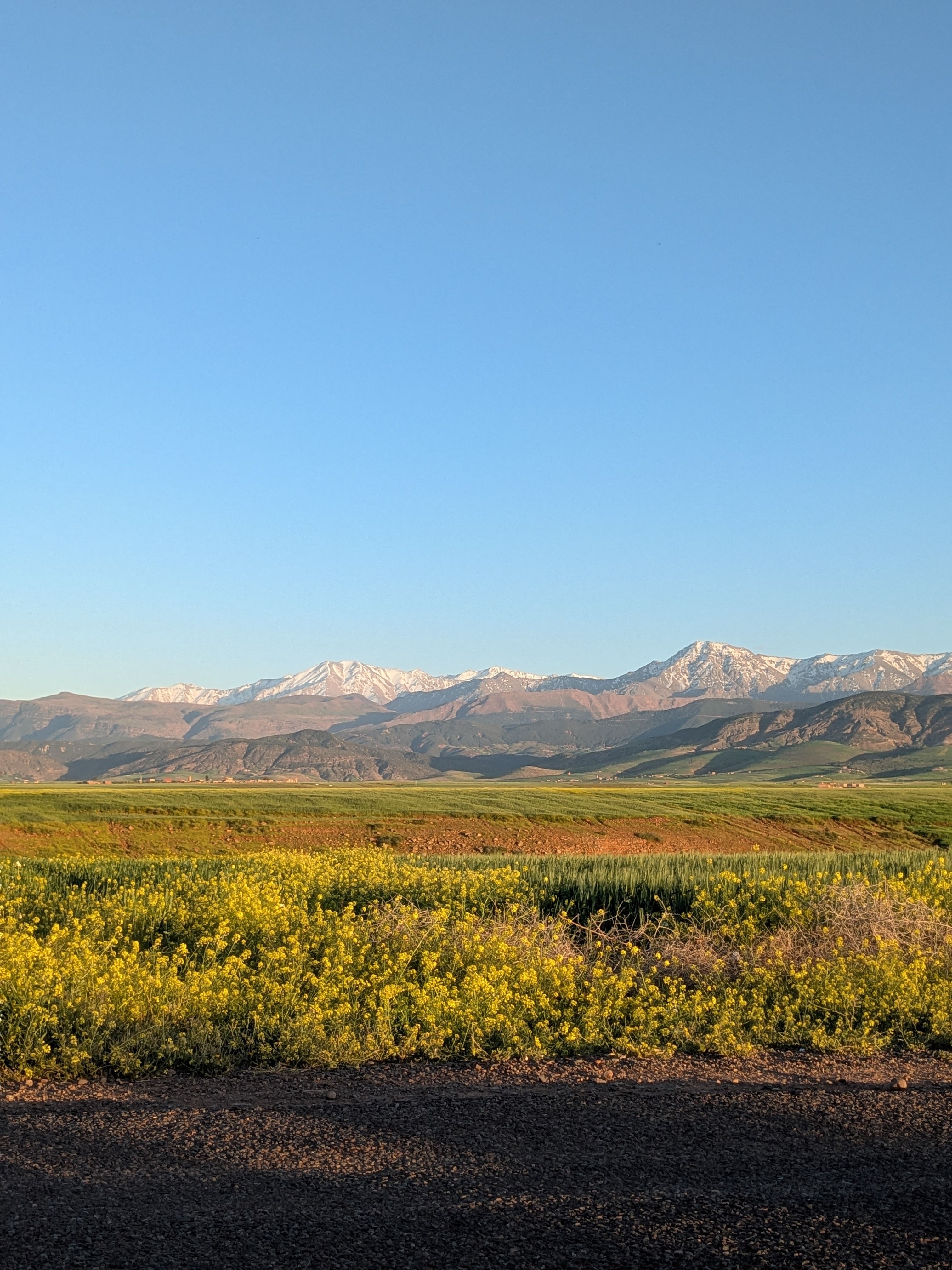
Understand the annual cycle.
Coast, cities, mountains or desert.
Culture, hiking, surfing and Sahara.
Account for season and travel pace.
What Is the Best Time to Visit Morocco?
For a first trip covering several Moroccan regions, spring and autumn are often favorable choices. The Sahara is generally more comfortable outside the strongest summer heat. Summer may suit Atlantic coastal holidays, while Atlas Mountain travel depends on elevation and activity. Winter can be rewarding for cities and selected coastal destinations, with preparation for cooler nights and changing mountain conditions.
The country cannot be reduced to one weather forecast. Marrakech is an inland city, Essaouira sits beside the Atlantic, Ifrane lies in the Middle Atlas and Merzouga borders the Erg Chebbi dunes. On the same travel date, these places can offer strikingly different conditions.
First Multi-Region Trip
Compare spring and autumn, then refine the dates around your particular route.
Merzouga and Sahara
Favor the milder seasons when possible; prepare separately for colder winter nights.
Atlantic Coast
Summer and other seasons can work, but wind, sea conditions and activities matter.
Atlas Mountains
Choose dates by altitude, route difficulty, weather and whether snow is possible.
The Moroccan National Tourist Office's climate guide explains these broad climatic contrasts. For specific travel days, use the Direction Générale de la Météorologie to review weather forecasts and warnings.
A season describes broad tendencies. It cannot guarantee sunshine, safe mountain roads, calm seas or a particular daytime temperature during your actual holiday.
Best Time to Visit Morocco at a Glance
The best month to visit Morocco depends first on what you want to do. Use this table to narrow your choices before checking flights, accommodation and regional conditions.
| Travel goal | Often favorable | Main consideration |
|---|---|---|
| Marrakech and inland culture | Spring or autumn | Summer daytime heat; cooler winter evenings |
| Merzouga and Erg Chebbi | Spring or autumn | Strong summer heat; cold winter nights |
| Agadir coastal holiday | Options throughout the year | Wind, sea temperature and intended activity |
| Essaouira | Multiple seasons | Atlantic wind and variable beach conditions |
| Fes and northern inland cities | Often spring or autumn | Summer heat; possible winter rain and cool weather |
| High Atlas hiking | Depends on route and elevation | Snow, altitude, weather and trail conditions |
| Winter scenery in Ifrane | Winter, when conditions suit | Snowfall is not guaranteed |
| Broad Morocco road trip | Often spring or autumn | Regional weather, road access and travel pace |
These are general seasonal planning suggestions, not temperature forecasts or mandatory travel windows. Weather and visitor demand vary by year and destination.
Morocco by Season: Spring, Summer, Autumn and Winter
Spring in Morocco: March to May
Spring is often appealing for cultural visits and longer road itineraries. Many travelers find it easier to explore Marrakech or Fes on foot before the most intense summer heat develops. Landscapes can become greener in places after seasonal rainfall, and some valleys offer an attractive contrast with the mountains above them.
The Saharan southeast is another reason to consider spring. Conditions can be better suited to desert road journeys than the hottest summer period, although wind, changing temperatures and occasional unsettled weather remain possible. April and May are not interchangeable: inland conditions tend to become warmer as the season advances.
Mountain hikes require a separate decision. A low valley walk and a demanding high-elevation trek can have very different requirements during the same week. Check the specific trail and current conditions rather than relying on the word "spring" alone.
Summer in Morocco: June to August
Summer brings an important geographical divide. Inland cities such as Marrakech and Fes can become very hot, and desert temperatures can make strenuous outdoor sightseeing or extended daytime activities uncomfortable. Heat should influence your walking hours, breaks, accommodation cooling and expectations for road travel.
That does not mean all of Morocco is unsuitable for a summer holiday. Atlantic destinations such as Agadir, Taghazout and Essaouira offer different coastal conditions. Some higher-elevation destinations may also provide alternative summer experiences, depending on the weather and activity.
Coastal weather has its own trade-offs. Wind can be part of the Essaouira experience. Ocean conditions change, and a beach suitable for walking or relaxing is not necessarily suitable for swimming or surfing. Use local safety guidance for water activities.
Autumn in Morocco: September to November
Autumn is another attractive option for multi-region exploration. As summer heat eases, cultural sightseeing and travel toward southern Morocco may become more comfortable. October is often considered for itineraries combining Marrakech, Fes, the Atlas corridors and Saharan landscapes.
However, September can still feel hot in inland and southern locations, while November may introduce colder evenings and wetter conditions in parts of the north. Even within autumn, your route matters more than the season's label.
Demand can also be strong at certain destinations and holiday periods. Do not assume attractive weather means accommodation will be cheap or that famous attractions will be quiet.
Winter in Morocco: December to February
Winter offers a different experience, not a reason to dismiss Morocco. Selected coastal destinations can offer comparatively mild periods, and cities remain interesting for food, culture, architecture and urban sightseeing. Expect cooler mornings and evenings, with rainfall possible in many northern and western areas.
Mountains need special preparation. Snow, ice, fog or heavy precipitation may affect higher routes and roads. Ifrane and parts of the Atlas can experience winter scenery, but snow on a particular date is never guaranteed.
Sahara travel is also possible in suitable conditions, but a sunny desert afternoon does not guarantee a warm night. Check the actual camp location, bedding and accommodation heating rather than assuming all desert stays provide identical comfort.
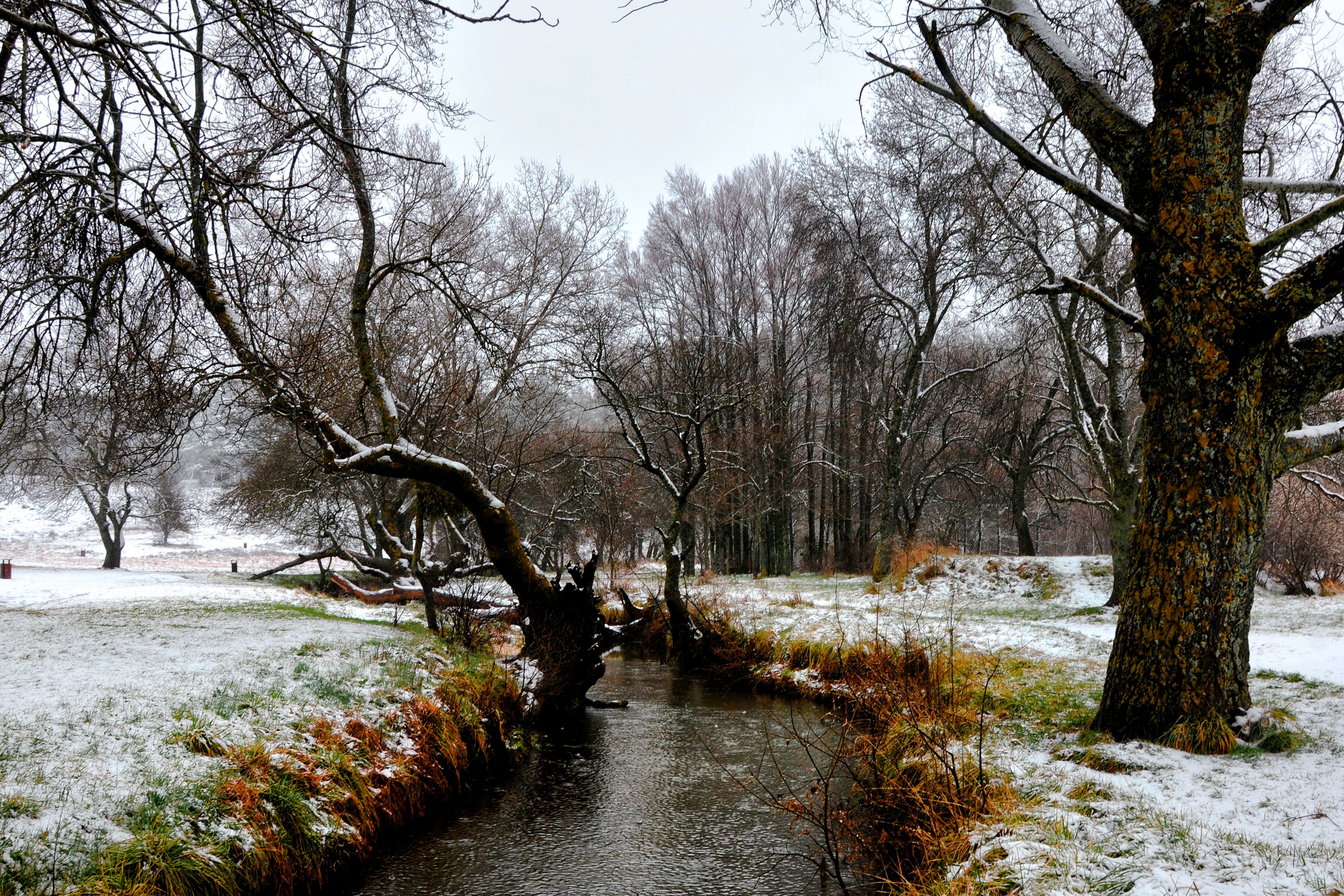
For detailed winter planning, read our Morocco in December guide and Morocco in January guide.
Morocco Weather by Month: January to December
The following Morocco weather by month guide compares the typical planning character of each period. These are broad seasonal patterns, not verified temperature averages and not forecasts for specific future dates.
| Month | Broad pattern | Planning priority |
|---|---|---|
| January | Winter contrasts | Culture and coast; prepare for colder nights and mountains |
| February | Late winter | Flexible regional planning and possible unsettled weather |
| March | Spring transition | Compare local conditions before outdoor activities |
| April | Spring | Broad multi-region possibilities with weather checks |
| May | Warmer late spring | Cities and Sahara with growing heat awareness |
| June | Early summer | Adjust inland sightseeing pace; consider the coast |
| July | Summer | Choose activities and regions suited to heat |
| August | Summer | Coast or selected mountains; account for inland heat |
| September | Seasonal transition | Reassess cities and southern routes as conditions shift |
| October | Autumn | Often attractive for a multi-region journey |
| November | Late autumn | Prepare for cooler nights and variable regional weather |
| December | Winter | Cultural cities and coast; mountain and desert precautions |
Choose a Month
Select any month to jump to its short planning explanation. These links do not display live weather or booking availability.
January — Winter Contrasts
January can suit visitors who prefer cultural sightseeing, selected Atlantic locations or winter landscapes. Marrakech may offer comfortable walking periods during the day, while mornings and evenings are cooler. Prepare for potentially cold Sahara nights and winter weather at higher elevations. See the complete January guide.
February — Late-Winter Travel
February is worth considering for a winter trip built around cities and suitable coastal destinations. Conditions may differ considerably between Fes, Agadir and the Atlas. Choose flexible mountain plans and do not assume spring conditions have already arrived.
March — The Spring Transition
March begins the seasonal shift toward spring and can be appealing for cultural travel and selected outdoor experiences. Rain, wind or lingering high-elevation winter conditions may still influence itineraries. Review specific destinations rather than treating March as uniformly warm.
April — Attractive Multi-Region Options
April is frequently worth comparing for itineraries combining Marrakech, Fes, landscapes and a Sahara experience. Conditions can be favorable for sightseeing, while rain or cooler mountain weather remain possible. Popular travel dates may require earlier accommodation planning.
May — Warmer Late Spring
May can work for historic cities, countryside visits and desert travel, with increasing attention to daytime heat inland. Plan strenuous activities around real weather conditions and allow breaks when sightseeing in exposed urban areas.
June — Early Summer Decisions
June is a useful month to rethink the balance between inland and coastal destinations. Marrakech and the southern interior may become demanding during hot spells. Atlantic coast alternatives can create a different experience, although wind and sea conditions need separate consideration.
July — Plan Around Heat
For July, prioritize heat-appropriate destinations and activities. Extended daytime walking in hot inland cities or strenuous Saharan excursions may be unsuitable during high temperatures. Coastal travel and selected mountain areas offer alternatives, subject to their own conditions.
August — Coast and Summer Holidays
August can suit coastal stays, but particular beaches differ in wind, waves and water conditions. Inland sightseeing may still require a slower pace and suitable cooling. Accommodation demand can also vary around holiday periods and destinations.
September — From Summer Toward Autumn
September brings a seasonal transition, but summer heat may persist in Marrakech, Fes and the southeast. Some broader itineraries become more appealing as conditions moderate. Check forecasts before assuming a particular desert or mountain journey is comfortable.
October — A Strong Multi-Region Candidate
October is often a favorable planning month for a route linking historic cities, the Atlas corridor and the Sahara. It can offer a useful balance for travelers who dislike intense heat. Still, weather and demand are regional, and autumn storms or changing conditions remain possible.
November — Cooler Late Autumn
November can remain appealing for city sightseeing and certain southern routes, with cooler evenings and changing weather. Northern areas may experience rain, and winter preparation becomes more important in the mountains. Choose accommodation and packing accordingly.
December — A Winter Morocco Experience
December can suit city culture and selected coastal breaks. However, cold Sahara nights, winter daylight and possible snow or ice on mountain roads need consideration. Late-year travel demand may vary with holidays. Read our December Morocco travel guide for detailed advice.
When to Visit Morocco's Different Regions
One of the biggest mistakes in seasonal planning is using the weather of Marrakech as a forecast for all of Morocco. Inland cities, Atlantic coastlines, mountains and Saharan landscapes respond differently to seasonal changes.
Marrakech — Best for Extended Walking in Milder Periods
Spring and autumn often suit travelers who want to explore Marrakech's Medina, gardens, palaces and cultural attractions on foot. Summer can involve intense daytime heat, making shaded breaks and accommodation cooling especially important. Winter may offer comfortable sightseeing periods, but mornings and evenings can be cool.

If Marrakech is your primary base, you may still enjoy a visit outside spring and autumn by adjusting your activities to the conditions. The Marrakech destination guide provides more ideas for planning your stay.
Fes and Northern Inland Cities — Plan for Walking Weather
Fes is particularly rewarding for visitors interested in historic architecture, traditional crafts and long Medina walks. Spring and autumn are often good choices, while summer heat and colder, potentially wetter winter periods require different pacing and clothing.
Rabat and other northern destinations may feel different from inland Fes, especially because proximity to the Atlantic or elevation changes conditions. Check the local forecast for each stop rather than assuming one northern climate.
Agadir and Taghazout — Coastal Stays Throughout the Year
The Agadir region can be considered in multiple seasons, including winter for visitors looking for milder coastal daylight. Summer is another possibility when inland regions feel too hot. But "coastal" does not guarantee warm water, a calm beach or identical weather every day.
Taghazout requires a separate decision if surfing is your main objective. Wave conditions depend on swell, winds, location and skill level. The best period for a surf-focused holiday is not necessarily the best time for casual swimming or beach lounging.

Essaouira — Culture, Ocean Air and Wind
Essaouira is attractive for its coastal Medina, ramparts, fishing harbor and Atlantic setting. It can be explored in several seasons, with spring and autumn often worth considering for city-and-coast itineraries. Summer offers a different alternative to the hotter interior, but wind may shape beach comfort.

Choose Essaouira for the experiences it offers, not for a guarantee of beach swimming weather. Ocean conditions and wind may be as influential as the air temperature.
Chefchaouen and Northern Morocco — Blue Streets and Rif Scenery
Chefchaouen combines an atmospheric blue Medina with the Rif Mountain setting. Spring and autumn can be appealing for walking and photography. Winter may bring rain and cooler conditions, while summer weather can still vary according to location, elevation and time of day.
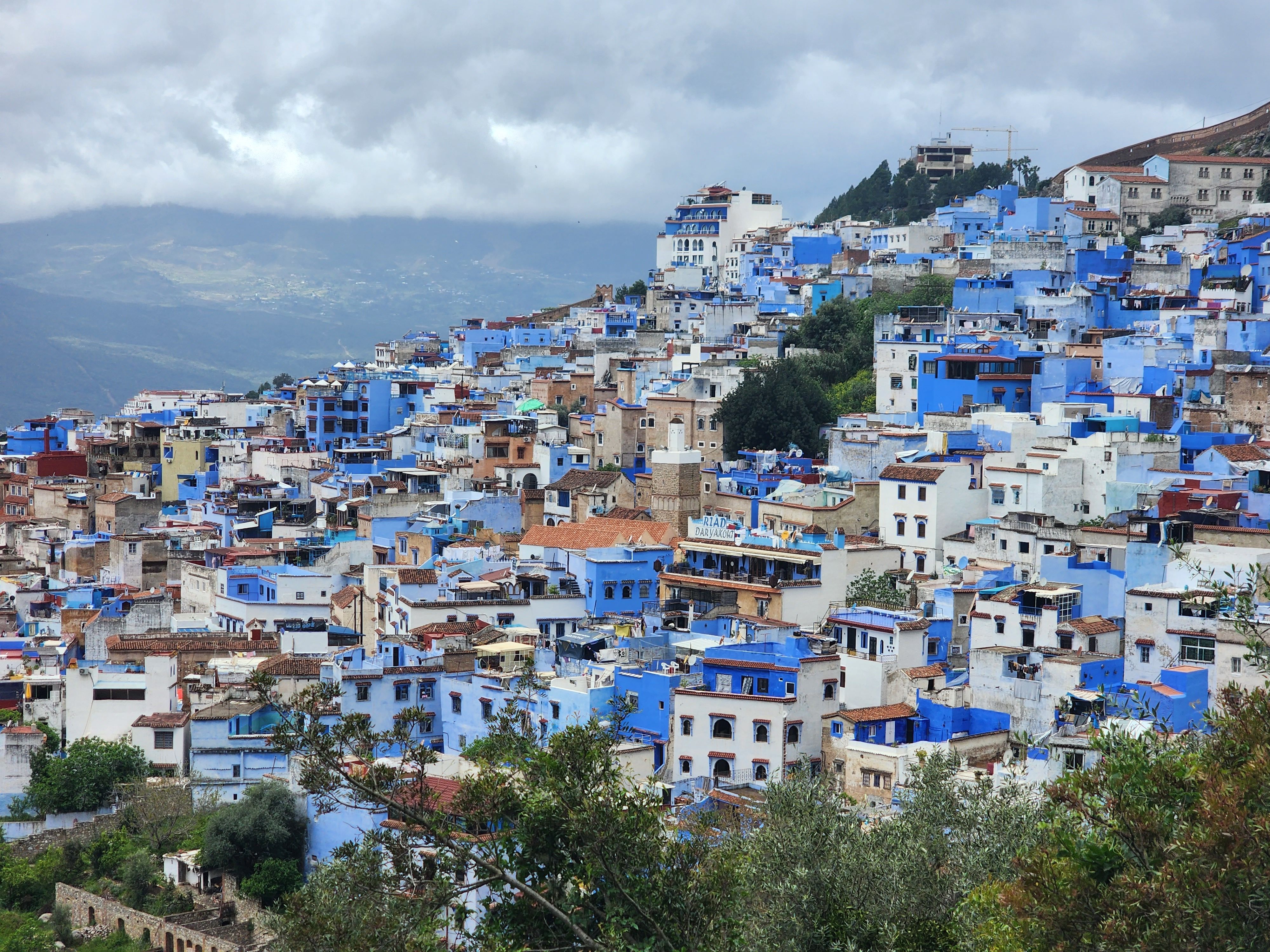
If you are considering hikes around the region, allow time to confirm the activity and weather. A casual Medina visit and a mountain excursion have different requirements.
High Atlas and Middle Atlas — Elevation Changes Everything
Low-elevation valley visits, village walks, high-altitude trekking and winter mountain trips must be treated separately. A sheltered valley may be accessible when high mountain passes experience snow, ice or poor visibility. Even in warmer seasons, sudden weather changes can occur at elevation.
The Middle Atlas around Ifrane can offer distinctive winter scenery, while the High Atlas includes demanding trekking terrain. Choose dates according to the actual location, route difficulty, daylight and level of assistance required. For significant hikes, obtain appropriate local guidance and check conditions shortly before departure.
Merzouga and the Sahara Desert — Favor Milder Touring Periods
Spring and autumn are often preferable for reaching Merzouga and the Erg Chebbi dunes without the strongest summer heat. But a Sahara journey requires more than checking daytime temperatures. Wind, night conditions, camp arrangements, route length and the crossing of the Atlas Mountains can all affect comfort.

A sunny winter afternoon in the dunes can be followed by a cold night. Conversely, summer heat can limit comfortable outdoor activity. Your travel season should be considered together with your intended camp and journey arrangements.
Read the Marrakech to Sahara Desert guide for route and duration decisions before choosing a specific desert itinerary.
Best Time to Visit Morocco by Travel Experience
Historic Cities and Medinas
Often spring or autumn for comfortable extended walking. Winter can also suit culture-focused trips with suitable layers. Adjust summer visits around heat.
Sahara Desert Tours
Usually favor milder spring or autumn conditions over peak summer heat. Confirm actual camp facilities, overnight temperatures and route details.
Atlas Mountain Hiking
No universal month works for every trail. Choose according to altitude, route difficulty, weather, equipment and professional guidance.
Atlantic Coast Holidays
Several seasons can be enjoyable. Choose between city sightseeing, beach relaxation and swimming; wind and sea conditions influence each.
Landscape Photography
Spring greenery, autumn color, winter mountain contrasts and changing desert light offer different opportunities, not guarantees.
Family Holidays
Fit the journey to school dates, children's ages, heat tolerance, hotel facilities and the number of travel days between destinations.
Multi-Region Road Trips
Spring and autumn often make good starting points, though mountain access, heavy rainfall and desert conditions still require checks.
Surfing
Appropriate dates depend on your chosen surf break, experience and current swell. More powerful seasonal surf is not necessarily appropriate for beginners.
When Might a Morocco Trip Be Less Comfortable?
There are few useful reasons to label an entire month as "bad" for Morocco. Most disappointment comes from a mismatch between the season, destination and intended activities.
Long Marrakech Walks During Extreme Heat
Full days of outdoor sightseeing may be exhausting in hot summer conditions. Consider shorter activity periods, adequate shade and rest.
Sahara Camping Without Cold-Night Preparation
Winter desert travel can include chilly nights. Check the actual accommodation and bedding before deciding what to pack.
Fixed High Atlas Plans During Winter Weather
Snow, rain or poor visibility can affect mountain roads and trails. Retain flexibility and review local warnings.
Expecting Warm Sea Water at Every Coastal Resort
Pleasant air temperatures do not guarantee warm swimming conditions. Consider season, wind and the actual beach.
Combining Too Many Distant Regions
A short holiday with several climate zones can be dominated by transfers. Give destinations enough time to be enjoyed.
The Moroccan national meteorological service provides weather information and vigilance warnings. Consult local authorities and service providers about road or activity restrictions when relevant.
When Is Morocco Less Crowded or More Affordable?
It is tempting to choose the "cheapest month" or "quietest season", but there is no reliable single nationwide answer. Accommodation prices, visitor numbers and tour demand vary according to the city, property category, weekends, school holidays, international travel periods and local events.
Spring and autumn can be popular in locations that benefit from milder weather. Coastal resorts may attract more interest during summer holidays, while some winter dates may be busy around festive travel. A smaller town can be comparatively quiet even when another region is experiencing strong visitor demand.
How to Compare Dates Without Guessing
Look at actual accommodation availability across two or three potential date ranges. Check real transport options and the conditions of the experiences that matter most to you. If you have flexible dates, a small adjustment may improve the itinerary, but no particular month guarantees a discount.
Be especially careful when comparing private-tour quotes. Two journeys with the same number of days may include different vehicles, accommodation standards, activities and route distances. Review the written terms rather than comparing only a starting price.
Is Ramadan a Good Time to Visit Morocco?
Yes, Morocco can be visited during Ramadan. The experience may differ from other periods, and travelers should plan respectfully around local religious observances. Because the Islamic calendar follows a lunar cycle, Ramadan shifts relative to the Gregorian calendar each year.
Some restaurants, shops, attractions and transport services may change their operating patterns, while other tourism services continue. The atmosphere can be quieter at certain times of day and more active after sunset as people gather for evening meals and social visits.
Do not assume all restaurants are closed or that all services operate on their usual schedules. Check opening arrangements for the specific dates and places you intend to visit. Religious holiday dates and public-service changes should be verified from current local information.
Should You Visit During a Festival?
Events such as the Gnaoua and World Music Festival in Essaouira and cultural festivals associated with Fes can provide a reason to select particular dates. However, festival schedules, venues and ticketing may change from year to year.
If an event is essential to your holiday, check its official program before booking non-refundable arrangements. Allow for the possibility that festival demand may affect nearby accommodation and transportation.
What Is the Best Time for Your First Visit to Morocco?
Your first visit does not need to include every Moroccan region. Decide which kind of experience matters most, then use the season to refine the route.
Cities and Sahara
Spring or autumn is often a useful starting point for Marrakech, Fes and a southeastern desert journey when travel time permits.
Atlantic Coast
Compare Agadir, Taghazout and Essaouira according to beach, culture, swimming or surfing priorities.
School-Holiday Travel
Adapt the itinerary to available dates rather than forcing a hot inland or demanding desert route into an unsuitable season.
Winter Sun
Consider selected coastal destinations, but distinguish milder winter daylight from guaranteed warm swimming conditions.
Mountain Experiences
Choose dates only after identifying the valley, trekking route, elevation and difficulty of the intended activity.
Slow Cultural Travel
A city-focused journey can work in more seasons when you adjust walking time, clothing and accommodation to the weather.
Does the Season Change How Many Days You Need in Morocco?
The season does not determine your holiday length by itself, but it can change the pace that feels comfortable. Strong summer heat may require longer rest periods in inland cities. Winter provides shorter daylight and can require more flexibility around mountain routes or changing weather.
A short city break can be adjusted around morning or evening sightseeing. A longer route involving Marrakech, the Sahara and Fes needs more attention to road travel and overnight stops. Travelers with children or limited mobility may reasonably prefer fewer transfers regardless of season.
Count your actual available sightseeing days, arrival and departure arrangements, and travel time before adding extra destinations. A seven-day trip can feel rushed if it crosses several distant regions, while a focused five-day holiday may provide more relaxation.
How to Build a Private Morocco Route Around the Season
The main benefit of coordinated private travel is controlling the practical structure of your itinerary: pickup locations, overnight sequence, chosen stops, passenger requirements and route direction. It can reduce unnecessary changes between separate services, although it cannot remove long road distances or control the weather.
Spring or Autumn
Consider a Marrakech-based or one-way southern itinerary that includes selected Atlas landscapes, kasbahs and Sahara destinations. The route must match the trip length and current travel conditions.
Summer
Emphasize the Atlantic coast and suitable mountain destinations. Keep inland visits flexible, allow for heat and avoid promising comfortable desert conditions during extreme temperatures.
Winter
Consider Marrakech, selected cultural cities and coastal stays, with additional preparation for mountain roads and cold desert evenings when southern Morocco is included.
What Should Be Confirmed Before a Private Tour?
Confirm the arrival and departure cities, travel dates, passengers, luggage, actual route, overnight locations, vehicle and any special activity requirements. For desert tours, verify camp access and accommodation details rather than assuming all packages are identical.
If your trip includes different climate regions, allow room for sensible adjustments where conditions require them. A private driver may help coordinate logistics, but cannot guarantee mountain roads remain open, eliminate transport risks or promise favorable weather.
Explore Morocco private tours for multi-day route options, or private Morocco transfers when you only need individual airport or intercity journeys.
Common Mistakes When Choosing When to Visit Morocco
Using Marrakech Weather for the Whole Country
Atlantic wind, mountain elevation and desert conditions can be very different from the weather in an inland city.
Assuming the Sahara Is Comfortable All Year
Strong summer heat and cold winter nights create different challenges. Consider the actual tour and camp.
Confusing Beach Weather With Surf Conditions
The ideal day for sunbathing is not necessarily ideal for a beginner surf lesson or swimming.
Forgetting Cold Desert Evenings
Sunshine in the dunes does not define the overnight temperature. Check the camp arrangements and pack suitable layers.
Building a Fixed Winter Mountain Itinerary
Mountain routes may be affected by snow, rain, ice or poor visibility. Keep the plan responsive to official warnings.
Assuming Quiet Months Always Mean Lower Prices
Events, holidays and individual destination demand can produce busy dates at any time of year.
Choosing Dates Before Destinations and Duration
Identify the experiences you value, the available days and the route, then compare seasons that suit those priorities.
Best Time to Visit Morocco: Frequently Asked Questions
What is the best time to visit Morocco?
Spring and autumn are often good starting points for broad multi-region Morocco trips, particularly when the route combines historic cities and the Sahara. The best timing still depends on your destinations, activities and weather preferences.
What is the best month to visit Morocco?
There is no universally best month. April, May, September and October are often worth comparing for varied itineraries, but each has different regional conditions and none guarantees ideal weather.
Is Morocco too hot in summer?
Some inland cities and Saharan destinations can become extremely hot in summer. Atlantic coastal regions and selected higher-elevation places can offer different conditions, so adjust your route and activities rather than assuming all Morocco is equally hot.
When is the best time to visit Marrakech?
Spring and autumn often suit extended outdoor sightseeing in Marrakech. The city can also be visited in winter or summer, provided plans reflect cooler winter evenings or strong summer daytime heat.
When should I visit the Sahara Desert?
Spring and autumn are often preferable to the strongest summer heat for Sahara touring. Conditions still vary, while winter nights may be cold. Confirm the route, camp arrangements and local weather before departure.
Is Morocco warm in December?
It depends on the region, elevation and time of day. Some coastal and inland locations can have mild daytime periods, but evenings may be cool, desert nights can be cold and mountains may experience winter weather. See our Morocco in December guide for more detail.
Is Morocco worth visiting in January?
Yes, January can suit cultural cities, selected coastal stays and winter scenery. Plan for colder nights, possible rain and mountain conditions rather than expecting uniform warmth. Our Morocco in January guide provides more detailed advice.
Does Morocco have a rainy season?
Rainfall varies substantially by region and season. Northern and western areas generally have different rainfall patterns from the much drier Saharan southeast. Check local conditions rather than relying on one nationwide rainy-season label.
What is the best time to visit the Atlas Mountains?
The best period depends on elevation, exact route and activity. A valley excursion is different from high-altitude trekking. Snow, ice, rain and changing weather can affect access, so obtain appropriate local guidance and check current conditions.
Is Morocco better in spring or autumn?
Both can offer attractive conditions for cultural visits and multi-region journeys. The better choice depends on whether you travel early or late in the season, the regions you select and your personal tolerance for heat, rain or cool evenings.
Can you travel to Morocco during Ramadan?
Yes. Travelers should respect local religious observances and check whether some restaurants, attractions or transport services have adjusted hours. Ramadan shifts through the Gregorian calendar, so verify its timing for your travel year.
When is Morocco less crowded?
Visitor demand depends on destination, school holidays, major events, weekends and accommodation type. No month is guaranteed to be quiet or inexpensive nationwide, so compare actual availability for your chosen dates.
What is the best time for a family trip?
Choose the season and itinerary according to children's ages, available school holidays, heat tolerance, accommodation comfort and transfer days. A focused coastal or regional holiday may work better than a long inland circuit during extreme heat.
What is the best time for a Morocco road trip?
Spring and autumn are often practical starting points for broad multi-region road trips. Actual suitability still depends on mountain weather, desert conditions, road access and the amount of time available for each stage.
Choose Your Morocco Season Around the Journey You Want
The best time to visit Morocco depends more on your intended experiences than on a single nationwide ranking of months. Spring and autumn can be excellent for broader routes combining cities and the Sahara. Summer may be well suited to selected coastal and mountain experiences, while winter can reward cultural exploration when cooler nights and regional weather are understood.
Begin with your preferred destinations and activities. Then choose a sensible season, decide how many days you need, check the arrival and departure cities, and build a route that leaves time to experience each place.
For more ideas, explore Morocco destinations and the Morocco Travel Guide before confirming your travel dates.
Choose the Right Season for Your Morocco Journey
Share your expected travel month, arrival and departure cities, number of days, group size, priority destinations and preferred pace. Mention whether you want the Sahara, the Atlantic coast or mountain experiences so your route can be planned around the right conditions and available time.
Plan My Morocco Trip