
Is Morocco Safe for Tourists? What to Know Before You Go
Morocco can be a rewarding destination for tourists, but travel is not risk-free. Most practical preparation involves understanding official travel advisories, protecting valuables in busy areas, recognizing tourist scams, arranging suitable transport and planning mountain or desert activities carefully.
If you're asking "Is Morocco safe for tourists in 2026?", the useful answer is not a simple guarantee. Your destination, travel style, route, planned activities and individual circumstances all matter. This guide explains what to check and how to make informed decisions.
Review current national and regional guidance.
Stay attentive in markets and busy areas.
Confirm pickup locations and journey details.
Assess roads, mountains and remote desert trips.
Is Morocco Safe for Tourists in 2026?
Morocco is an established tourism destination, but visitors should exercise caution and follow their government's current advice. Common practical concerns include pickpocketing, scams, unwanted attention, road hazards and risks associated with remote activities. Broader security warnings, including terrorism-related risks, also appear in official government advisories. Sensible planning helps travelers assess these risks without assuming that every location or journey presents the same conditions.
Traveling in major destinations such as Marrakech, Fes, Casablanca, Tangier or Essaouira involves different logistics from trekking at high elevation or visiting remote desert areas. An itinerary that includes several of these experiences needs a little more preparation than a single-city stay.
Official travel advice should come first, particularly when decisions concern security, local laws or regional restrictions. Personal reviews and social media can offer useful practical impressions, but they cannot replace current government guidance.
Good preparation is more useful than either unnecessary fear or false reassurance.
What Do Official Morocco Travel Advisories Say?
Travel advisories are published by individual governments for their citizens. They use different scales, categories and regional warnings, so a rating from one government must not be treated as directly equivalent to a rating from another.
As checked on 19 October 2026, the U.S. Department of State lists Morocco at Level 2, Exercise Increased Caution, citing terrorism risk. Canada and Australia advise exercising a high degree of caution overall. The UK FCDO provides detailed country guidance rather than the same U.S. numerical scale.
| Government | Guidance checked | Official source |
|---|---|---|
| United States | Level 2 — Exercise Increased Caution | State Department advisory |
| United Kingdom | Country-specific FCDO safety, regional and legal guidance | FCDO Morocco advice |
| Canada | Exercise a high degree of caution | Government of Canada |
| Australia | Exercise a high degree of caution overall; higher regional warnings | Smartraveller |
These advisories discuss more than ordinary tourism inconveniences. Depending on the issuing authority, they include security threats, demonstrations, crime, road conditions, local laws and warnings for specific regions. The UK guidance also addresses fraud and unofficial tourist guides.
The advice can change after this article is published. Review the current page issued by your own government before booking, shortly before departure and when circumstances change during your trip.
This date records the editorial check, not a promise that advisory levels will remain unchanged. The official sources above take precedence over this article.
What Are the Main Safety Concerns for Tourists?
Some concerns relate to routine tourist situations, while others are broader security issues. Keeping those categories separate makes Morocco travel safety easier to assess.
Pickpocketing and Bag Theft
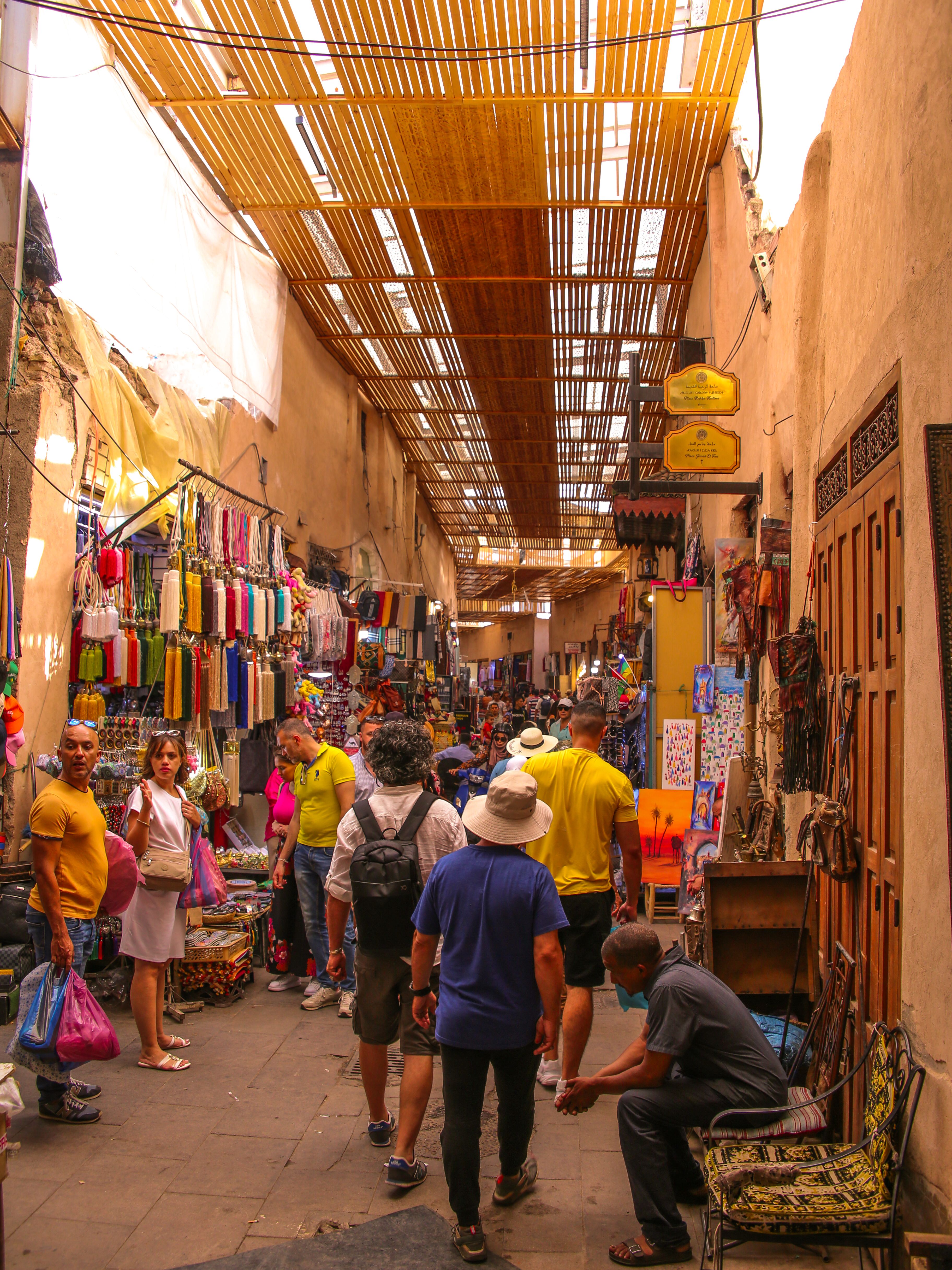
The UK and Canadian travel authorities identify pickpocketing, bag-snatching and other petty theft as concerns in crowded tourist areas, markets, medinas and beaches. Use a secure bag, keep phones and wallets close and avoid displaying unnecessary cash or valuables. Remain aware when taking photographs in crowded places.
Tourist Scams and Unofficial Guides
Visitors may encounter unsolicited offers of assistance, people claiming a route is closed, vague guiding proposals or pressure to visit a particular shop. If you do not want help, decline clearly and continue toward a known destination. When you do want a guide, arrange a reputable service and confirm the person's authorization and price.
Bargaining and sales conversations are part of some shopping experiences and are not inherently fraudulent. The concern is deception, unwanted pressure or unclear terms, not ordinary interaction with local merchants.
Unwanted Attention and Persistent Solicitation
Some travelers, particularly women traveling alone, may experience unwanted attention or harassment. Establishing a clear boundary, moving to a busier location and asking accommodation staff or appropriate authorities for help can be useful responses. If someone behaves threateningly, prioritize leaving the situation rather than arguing.
Road and Transport Safety
Road conditions are an important part of Morocco travel planning. Traffic, unfamiliar driving patterns, pedestrians, animals, limited lighting and poor weather can create additional risks. Be especially careful when arranging long journeys or routes through mountain areas.
Security Warnings and Demonstrations
Government advisories also identify the risk of terrorism and the possibility of demonstrations. Avoid protests, remain aware of your surroundings and follow the advice of local authorities when security or transport conditions change.
For more detail, review the UK government's official Morocco safety and security guidance.
Is Morocco Safe in Marrakech, Fes and Other Popular Cities?
It is not useful to give entire Moroccan cities unsupported safety scores. More practical questions include where your accommodation is located, how you will arrive, what activities you plan and how familiar you are with the surrounding streets.
Marrakech
Be attentive in busy souks and around Jemaa el-Fnaa. Save your riad address, identify an accessible meeting point and avoid relying on unsolicited directions in unfamiliar lanes. Confirm transport for late arrivals.
Fes
The historic Medina has complex pedestrian routes. Prepare navigation, keep valuables secure and consider an appropriately authorized local guide when you want structured cultural sightseeing.
Casablanca
Treat it as a large city requiring normal urban precautions. Confirm your train station, hotel address and whether your destination is central Casablanca or the separately located Mohammed V Airport.
Tangier
Confirm whether ferry travel uses Tangier Ville or Tanger Med, which are separate ports. Plan a suitable arrival connection and remain attentive to belongings in busy transit and tourism areas.
Chefchaouen
Many beautiful Medina lanes have stairs and slopes. Check how to reach your accommodation with luggage, wear suitable walking shoes and avoid isolated mountain paths without appropriate preparation.
Agadir and Essaouira
Protect bags and valuables on beaches and promenades. Check ocean, wind and weather conditions before swimming or water sports, and arrange suitable transport for activities outside town.
Explore the Marrakech destination guide and Morocco destinations when choosing which cities fit your itinerary.
Is Morocco Safe for Solo Travelers?
Solo travel in Morocco is possible, but it places more responsibility on the traveler for accommodation, navigation, transport and emergency arrangements. The appropriate preparation depends on your experience and chosen itinerary.
Reserve accommodation with a clear address, check the practical route from your arrival station or airport, and save the accommodation's contact details for use without internet. Sharing a basic itinerary with a trusted contact may also help someone know where you plan to be.
If you arrive late, arranging transport in advance can reduce the uncertainty of searching for an unfamiliar address while carrying luggage. When exploring alone, prefer routes that fit your confidence, daylight and local conditions.
Do not assume that every solo traveler has the same preferences or risk tolerance. Some enjoy independent public transport and self-guided city exploration, while others prefer a coordinated arrival and selected guided visits.
Is Morocco Safe for Women Traveling Alone?
Women can travel independently in Morocco, but official UK travel guidance notes that women, particularly those traveling alone, may receive unwanted attention. Experiences differ by person, location, activity and circumstances; there is no reliable universal outcome.
Before arrival, consider accommodation with clear check-in arrangements and practical transport access. Know how to reach your accommodation at night, keep a contact number available and make independent decisions about whether to accept unsolicited assistance.
If attention becomes uncomfortable, it is reasonable to set a clear boundary, enter a staffed business or seek help from accommodation personnel or the authorities. There is no requirement to remain polite in a threatening situation.
Clothing choices may reflect local customs, the weather, the setting and your own preferences, but harassment is never justified by what someone wears. Preparation should support a traveler's choices rather than blame them for another person's behavior.
Read the FCDO's current Morocco guidance and any specific advice issued by your own government for women travelers.
Is Morocco Safe for Families With Children?
Morocco offers many family travel possibilities, from historic cities to coastal stays and selected mountain or desert excursions. The important task is selecting activities, vehicles, accommodation and travel days appropriate to the children's ages and the family's needs.
Confirm seat belts and any required child-restraint arrangements in advance. Do not assume a specific child seat is included with every vehicle or available for an unexpected request. Share children's ages and seating needs before confirming transport.
Crowded market streets need extra attention, especially where motorcycles, carts or delivery vehicles use narrow lanes. Heat, sun exposure, hydration, rest breaks and suitable meals also deserve planning.
A shorter, coherent itinerary can be more comfortable than frequent hotel changes and repeated long driving days. A mountain walk or desert camp should be chosen according to the family's actual mobility, equipment and comfort requirements.
How to Navigate Moroccan Medinas Safely
Medinas are historic urban environments, not ordinary modern street grids. Some lanes are pedestrian-only, addresses can be difficult to locate and the best vehicle meeting point may be outside the historic center. Preparation reduces avoidable confusion.

Before Leaving Your Accommodation
Save the exact address and telephone number of your hotel or riad. Ask for the nearest recognizable entrance, landmark or vehicle-accessible meeting point. Download a map for offline use when helpful.
In Crowded Markets
Carry only what you need, keep your bag close and avoid leaving valuables unattended while shopping or taking photographs. If an interaction becomes tense, move away rather than escalating it.
When Someone Offers Directions
You can decline assistance clearly and check directions with accommodation staff or an established provider. If you choose a paid guide, agree on the service and price in advance and check that the guide is appropriately authorized.
Walking at Night
Conditions vary by street, activity and time. Prefer familiar, well-used routes and avoid unnecessarily isolated areas after dark. If your accommodation is difficult to locate, ask staff to clarify the meeting point before you arrive.
A busy central square, a quiet residential alley and a mountain footpath beyond a town require different judgments. Avoid treating an entire historic district as either universally safe or universally dangerous.
Are Taxis and Public Transport Safe in Morocco?
Taxis, trains, coaches and arranged private vehicles serve different travel needs. The main practical precautions involve choosing the correct service, checking fares or booking terms, identifying real departure locations and protecting belongings during transit.
Official Taxis
Use an appropriate authorized taxi service. Confirm your destination and the applicable lawful fare arrangements before departure. Pricing systems can differ by location and taxi type.
ONCF Trains
Check the correct stations, departure time and current ticket details. Keep track of belongings during station transfers and arrange onward transport when your destination is not near the station.
ONCF official railway informationIntercity Coaches
Choose an established operator, check the precise departure and arrival terminals and review luggage arrangements. Allow enough time when a coach connects with a flight.
CTM official coach informationPrearranged Private Transfers
Confirm the pickup point, destination, travel party, luggage and driver-contact arrangements. This can reduce logistical uncertainty, but it does not remove road or personal-security risks.
A private transfer may simplify an unfamiliar airport arrival or city-to-city journey. It should be evaluated as a transport arrangement, not as a guarantee that nothing can go wrong. Explore the available Morocco private transfers when comparing direct travel options.
Is It Safe to Drive in Morocco?
Self-driving can be a workable way to explore Morocco, but it requires a realistic assessment of your driving experience, route, weather, vehicle and local traffic conditions. Roads vary widely between major motorways, urban streets, rural areas and mountain passes.
The UK FCDO advises extra attention to pedestrians, animals, lighting and other vehicles. It also warns that secondary roads and mountain routes can be more hazardous in poor weather. Be particularly cautious about planning long unfamiliar drives after dark.
Check the documentation and insurance needed for your nationality and rental arrangement. Verify parking, fuel and route details, allow breaks on longer days and avoid driving into remote terrain unsuitable for the vehicle.
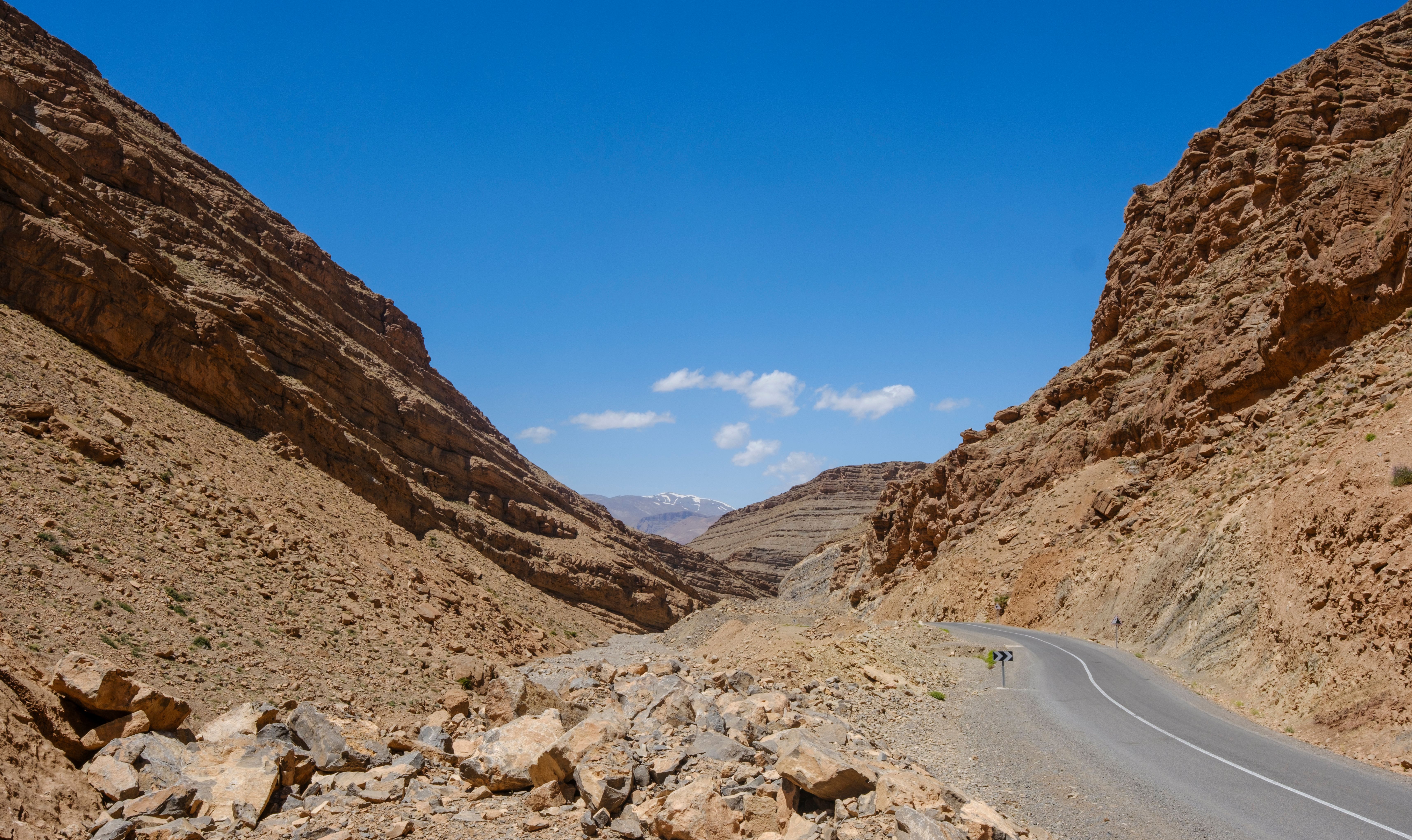
A suitable private driver can remove some of the burden of unfamiliar navigation and parking. However, the actual vehicle, driver, route and operating arrangements still require proper verification. No mode of road transport eliminates the possibility of accidents.
Is It Safe to Visit the Atlas Mountains?
The Atlas Mountains include accessible villages, scenic valleys, winding roads and demanding high-altitude routes. A relaxed valley visit is not equivalent to a remote trek, steep summit or winter ascent.
Conditions change with elevation, season, weather and recent rainfall or snowfall. Road access, trail difficulty, daylight, suitable footwear, communication and reliable route information should all be considered.
For demanding walks, choose appropriately qualified local guidance and equipment. Do not undertake remote mountain routes alone without suitable preparation, especially where communications or access to assistance may be limited.
The most sensible question is whether the particular activity is suitable for your group and the current conditions—not whether all Atlas excursions are automatically safe.
Are Sahara Desert Tours Safe?
Sahara tours can be planned with suitable providers and realistic arrangements, but the remoteness of desert locations introduces practical concerns. These include long driving days, weather exposure, camp access, communication and facilities.
Desert conditions change throughout the year. Daytime heat, cold nights, wind and the difference between a paved road and an off-road approach all affect what travelers need to bring and confirm.
Before reserving a Sahara camp, ask for its actual location, method of arrival, bedding, bathroom arrangements, available communication and what happens if the scheduled arrival is delayed. Confirm camel or 4x4 arrangements rather than assuming either is automatically included.
Questions to Ask Before Booking
The familiar tourist journeys to Merzouga and Erg Chebbi are different geographic contexts from areas covered by special border or military-zone warnings. Do not assume that all southern Morocco destinations have identical advisory levels.
For journey planning, read the Marrakech to Sahara Desert guide or compare private Morocco tours. Tour descriptions and final confirmations should specify actual inclusions rather than imply that every operator offers identical facilities.
Are There Areas of Morocco With Additional Travel Warnings?
Yes. Some issuing governments publish stronger warnings for particular border and militarized areas. These should be checked separately from their general advice for Morocco.
For example, Australia's Smartraveller advice identifies areas around the militarized Berm in Western Sahara as subject to a Do Not Travel warning. Canada's guidance also identifies restricted border-region risks.
These warnings refer to specific geographic areas, not to every location south of Marrakech. They should not be confused with ordinary Merzouga or Erg Chebbi tourism routes.
If your itinerary goes beyond established visitor corridors, especially near borders or remote regions, consult your government's precise official maps and written regional advice. Do not rely on a general description such as "southern Morocco" to determine whether a route is appropriate.
Review Australia's regional Morocco warnings Official guidance on country-level precautions and higher-risk regions.Local Laws and Customs Tourists Should Understand
Visiting a different country involves understanding its laws as well as the expectations of different social and religious settings. Rules can be different from those at home.
Ask permission before taking photographs of people, particularly children, and respect rules at religious sites. Do not photograph sensitive military or government locations where restrictions apply.
Drone use requires particular attention to Moroccan rules and authorization. Alcohol consumption and illegal drugs are also subject to local law. Do not assume behavior lawful elsewhere is automatically permitted in Morocco.
Respectful behavior does not require accepting unwanted interactions, and local customs should not be used to excuse harassment. Follow official travel advice for current legal details rather than relying on general online anecdotes.
The UK FCDO safety and security page includes detailed local-law and photography guidance.
Practical Health Precautions Before Visiting Morocco
Health planning should match the actual trip. City sightseeing, summer outdoor activity and a multi-day mountain trek do not create identical needs.
Arrange travel insurance appropriate to the journey and any planned activities. Keep necessary medicines in suitable packaging, review the rules affecting medicines you carry and discuss individual medical questions with a qualified healthcare professional before travel.
Use sensible food-handling precautions, choose drinking water from sources you consider reliable and remain attentive to hydration and sun exposure. Avoid generalizing about the water quality of every property or location in Morocco.

If you have significant medical needs, specific dietary requirements or planned strenuous activities, get professional advice that reflects your circumstances.
What Should You Do in a Travel Emergency?
The correct response depends on the situation. Immediate threats to personal safety, lost belongings, medical problems and travel disruptions require different types of assistance.
Move to an Appropriate Safe Location
Prioritize distance from the immediate threat and seek help from a staffed or appropriate location when possible.
Contact the Relevant Emergency Service
Use the correct current police, medical or emergency contact for the incident and location. Verify emergency numbers before travel.
Inform Your Accommodation or Trusted Contact
Where useful, ask for local practical assistance and let a trusted person know your situation and whereabouts.
Contact Your Embassy or Consulate
Seek consular guidance when your nationality, documents or other consular issues make this necessary.
Contact Your Travel Insurer
Use the insurer's assistance arrangements for applicable medical, travel or emergency claims.
Record Relevant Details Safely
Keep relevant booking details, reports and communications when doing so does not create further risk.
Save the latest official emergency contacts before departure. This article intentionally avoids copying telephone numbers that might be inappropriate for a particular emergency service or become outdated.
Official Morocco emergency and assistance contacts Current UK government information for emergency services and travel assistance.Morocco Safety Checklist Before You Travel
Use this checklist for a first Morocco visit or as a final review of a multi-region itinerary.
The checklist is for personal planning. It does not replace official advice, professional medical guidance or activity-specific instruction.
Does Hiring a Private Driver Make Morocco Travel Easier?
Hiring a private driver can simplify practical travel arrangements. It may reduce the need to manage unfamiliar bus terminals, navigate between multiple cities or repeatedly move luggage between services.
With suitable advance planning, a private journey can coordinate airport pickup, agreed departure points, passenger requirements, luggage and multi-city movement. The route and precise service details must be confirmed before booking.
Private transport is a convenience and coordination service, not a guarantee of personal safety. It cannot remove the possibility of theft, harassment, accidents, changing security conditions or disruption from weather.
For specific transport needs, compare private transfers across Morocco. For a route covering several cities and overnight stops, explore Morocco private tours. You can also read more about Morocco Smoothly Travel before making an enquiry.
Morocco Travel Safety: Frequently Asked Questions
Is Morocco safe for tourists in 2026?
Morocco is an established tourism destination, but travel is not risk-free. The U.S. Department of State currently advises increased caution, while other governments also publish safety and regional guidance. Check your government's latest advisory and prepare for theft, scams, road risks and activity-specific conditions.
Is Marrakech safe for first-time visitors?
First-time visitors can plan a Marrakech stay with practical precautions. Protect valuables in crowded souks, save your riad address, confirm an accessible pickup location and be selective about unsolicited guiding offers. No part of the city should be treated as guaranteed safe.
Is Morocco safe for women traveling alone?
Women can travel independently in Morocco, but some may encounter unwanted attention or harassment. Plan accommodation and transport, establish clear boundaries and seek assistance when needed. Harassment is never justified by clothing or behavior.
Is Morocco safe for families with children?
Families should choose age-appropriate travel days, suitable accommodation and carefully planned activities. Confirm child-restraint requirements, vehicle arrangements, luggage, hydration and the practical demands of crowded streets, mountain visits or desert trips.
Is it safe to walk around Marrakech at night?
Conditions vary by street and circumstances. Prefer familiar, well-used routes, avoid unnecessarily isolated areas after dark and confirm the route back to your accommodation. Do not assume all Medina streets have the same conditions.
Are Moroccan taxis safe?
Use an appropriate authorized taxi service, confirm the destination and understand the applicable fare arrangements. Be attentive to your belongings and share journey details with a trusted contact when appropriate. Taxi arrangements can differ by city and service type.
Are tourist scams common in Morocco?
Official travel advice identifies scams, unofficial guides and petty crime as visitor concerns. Be cautious about unwanted directions, unclear prices and pressure to enter shops. This does not mean ordinary Moroccan merchants or residents should be treated as dishonest.
Is Fes Medina safe to explore?
Fes Medina can be explored with careful navigation and normal precautions. Save your accommodation details, protect valuables in busy streets and consider an appropriately authorized local guide if you want assistance through unfamiliar pedestrian routes.
Is Morocco safe for a road trip?
A Morocco road trip requires route-specific planning. Driving conditions differ between cities, motorways, rural roads and mountain passes. Check vehicle documentation, weather, road conditions and rest stops, and take particular care on unfamiliar roads at night.
Is the Sahara Desert safe for tourists?
Sahara travel requires appropriate planning rather than a blanket safety guarantee. Confirm the operator, route, camp location, transport, weather arrangements, communications and facilities. Established Merzouga tourism routes should not be confused with separately restricted border areas.
What areas should tourists avoid in Morocco?
Follow your own government's current regional advisory. Some authorities publish stronger warnings for specified border and militarized areas, including locations near the Berm in Western Sahara. Do not treat all of southern Morocco as a single risk category.
What should I do in a travel emergency?
Move to an appropriate safe location, contact the relevant emergency service, then seek help from accommodation staff, your embassy or consulate and your travel insurer as needed. Save current official emergency contacts before departure and document details when safe.
Visit Morocco With Good Planning, Not Unnecessary Fear
Is Morocco safe for tourists? The most responsible answer is that Morocco offers many rewarding travel experiences, but conditions vary and no trip is entirely without risk.
Prepare by reading current official advisories, confirming transport and accommodation, understanding practical Medina precautions and treating remote activities differently from routine city visits.
The aim is informed travel rather than false reassurance. Choose destinations and activities suited to your plans, allow time for necessary connections and review conditions when they change.
Visit our Morocco Travel Guide for additional destination and itinerary advice.
Travel Morocco With a Clear Plan
Share your arrival city, travel dates, number of travelers, destinations and transport needs. If you have specific route preferences, luggage requirements or accessibility considerations, include them in your enquiry.
Plan My Morocco Trip